AI's Role in Accelerating Scientific Breakthroughs
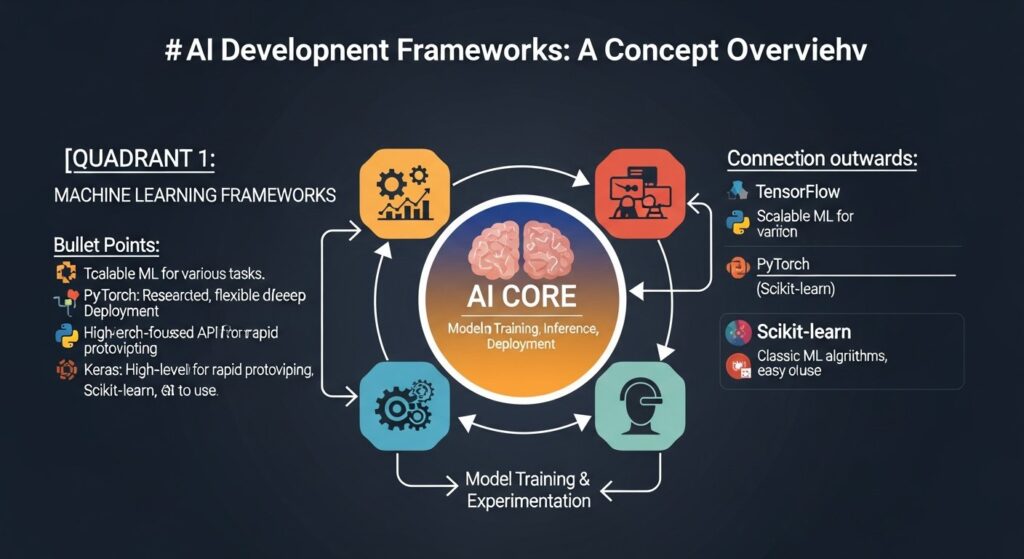
Artificial Intelligence is revolutionizing scientific research by significantly speeding up the discovery and development processes across various fields. From drug discovery and materials science to climate modeling, AI algorithms can analyze vast datasets, identify complex patterns, and predict outcomes with unprecedented speed and accuracy.
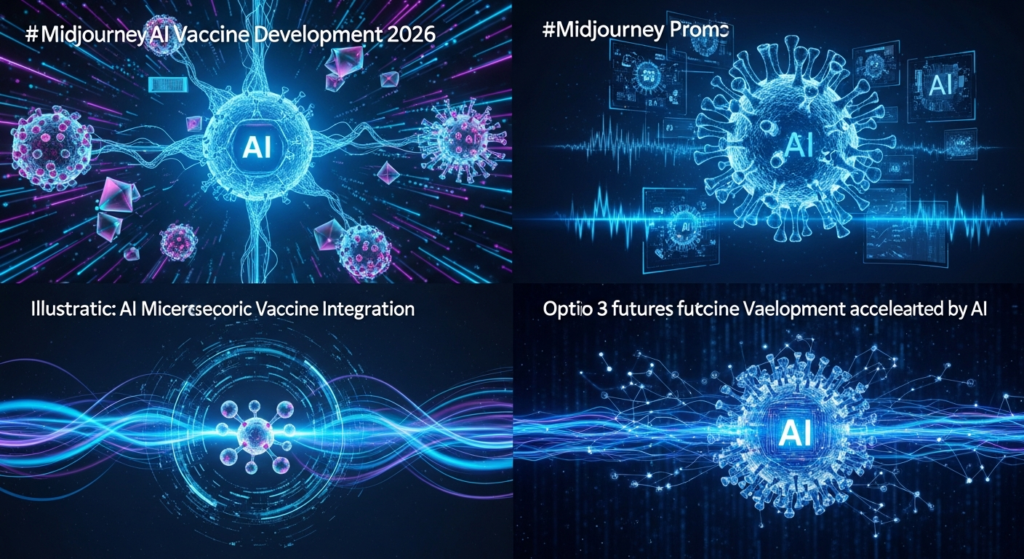
This acceleration is particularly evident in areas like vaccine development, where AI has been instrumental in identifying potential candidates, optimizing trial designs, and predicting efficacy. Beyond healthcare, AI is also being used to discover new materials with desired properties, design more efficient renewable energy systems, and model complex environmental changes, pushing the boundaries of human knowledge and innovation.
AI-Powered Predictive Analytics in Business Operations
Predictive analytics, powered by artificial intelligence, is transforming how businesses operate by enabling them to anticipate future trends and customer behaviors. By analyzing historical data, AI models can forecast demand, identify potential risks, and optimize resource allocation, leading to more efficient and proactive business strategies.
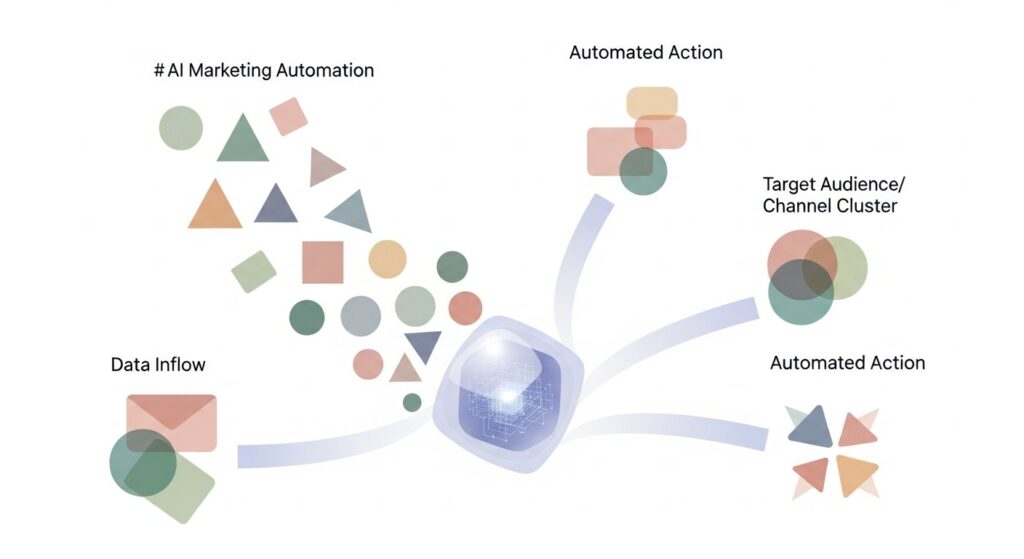
This technology is crucial for enhancing customer experiences, as seen in AI-driven marketing automation that personalizes outreach and optimizes engagement. Furthermore, AI's ability to predict supply chain disruptions or customer churn allows companies to implement preventive measures, thereby safeguarding revenue and improving overall operational resilience.